
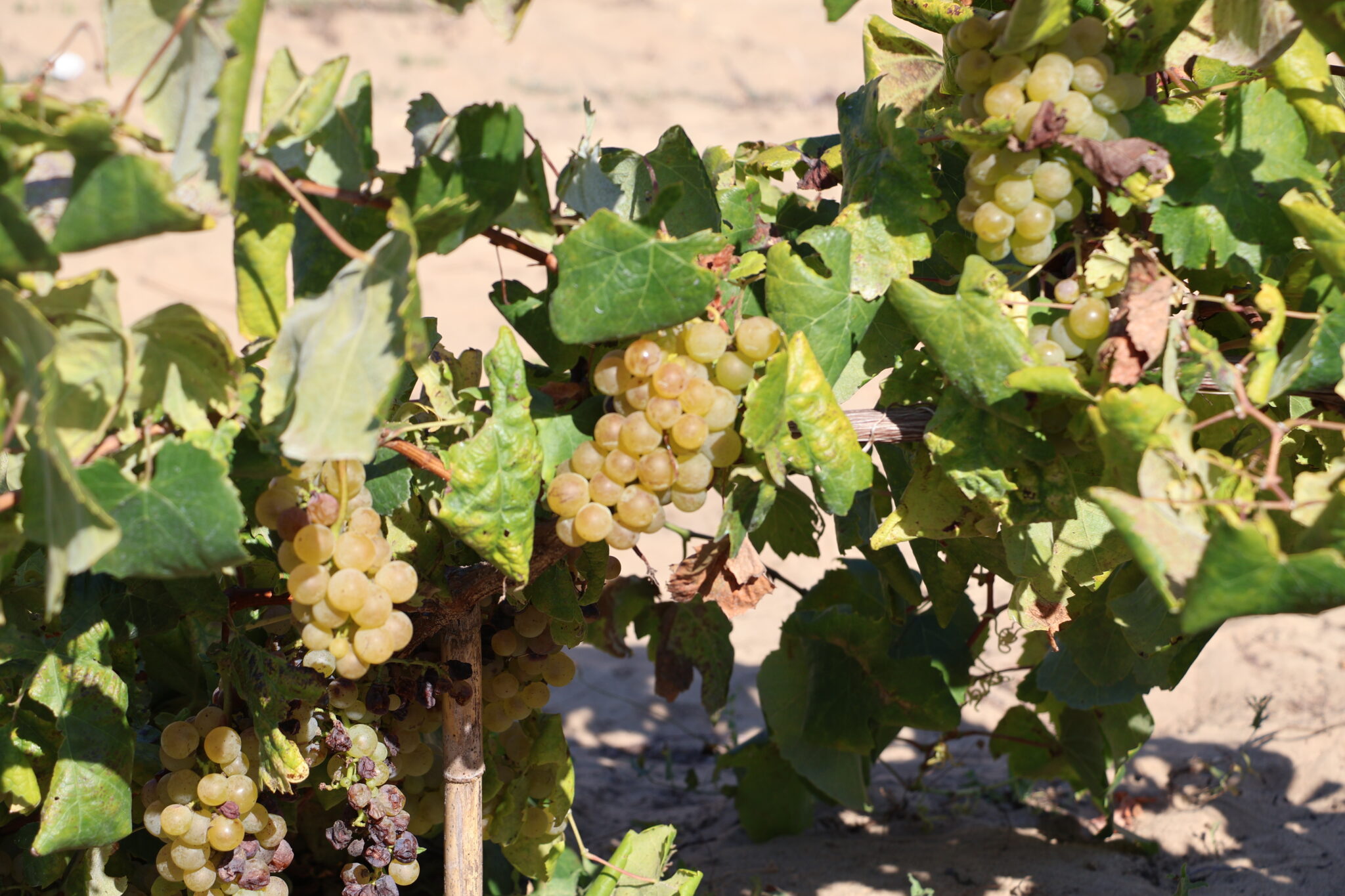
Wines of Lisbon – It’s all about the Terroir!
Things have changed in the world of Portuguese wine. The Lisboa wine region of Portugal is emerging as one of Europe’s most underrated wine regions. This region has nine distinctive appellations set against the breathtaking backdrop of the Atlantic coastline. Each offers a unique interpretation of the region’s terroir. Despite its rich history and diverse offerings, Lisboa remains a hidden gem, largely unexplored by the international wine community.
The cool breezes from the Atlantic shape the character of the wines. From the mineral-rich whites of Bucelas to the robust reds of Alenquer, Lisboa offers a remarkable variety that reflects both tradition and innovation in winemaking.
There are many different types of wineries here. Firstly the small boutique type where passionate winemakers create their signature wines, stomping the grapes themeslves. At the other end of the spectrum are the huge impressive estates which produce millions of bottles every year. Acres of vines are harvested by machine and visitors sit in airy halls to taste the producer’s finest vintages. I was lucky enough to take a tour of some of Lisboa’s best wineries courtesy of our incredible guide – Yuliya from Wines of Lisboa.
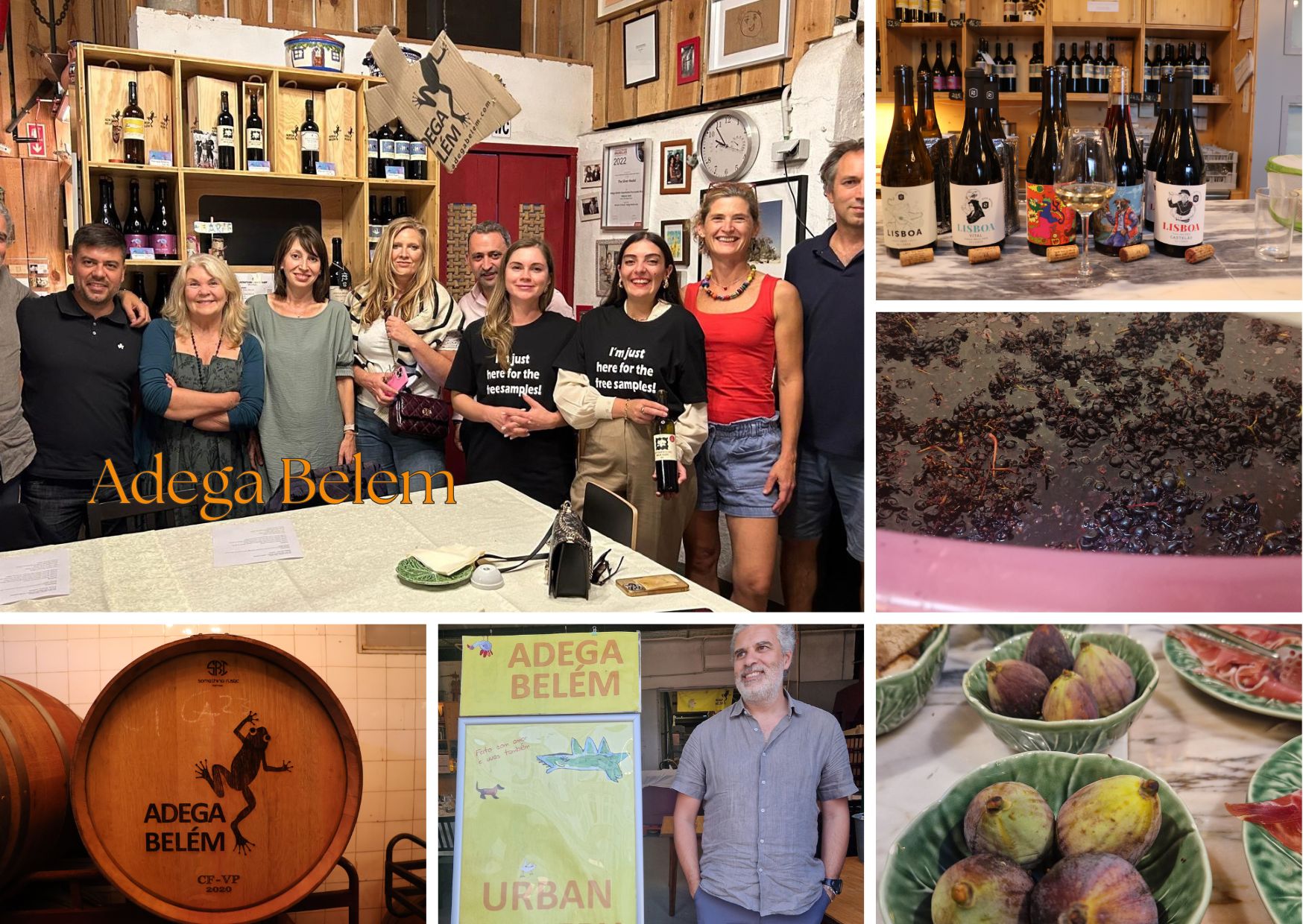
Adega Belém The Urban Winery
No vineyard.? No problem! Adega Belém is a small boutique winery built inside the walls of a former car repair shop in Lisbon’s Belém district. Caterina and David hand-pick their grapes from smaller local vineyards and craft organically balanced, vibrant and vivacious high quality wines in relatively small batches. The couple are all for experimentation. Their daughters pitch in creating the designs for the labels and even the cellar dog Lili, has her own collection. This is a fresh, fun approach to making wine for the hipster generation. We also tasted wines from another local wine maker Hugo Mendes – a good friend of the Adega Belem family.
Adega De Colares
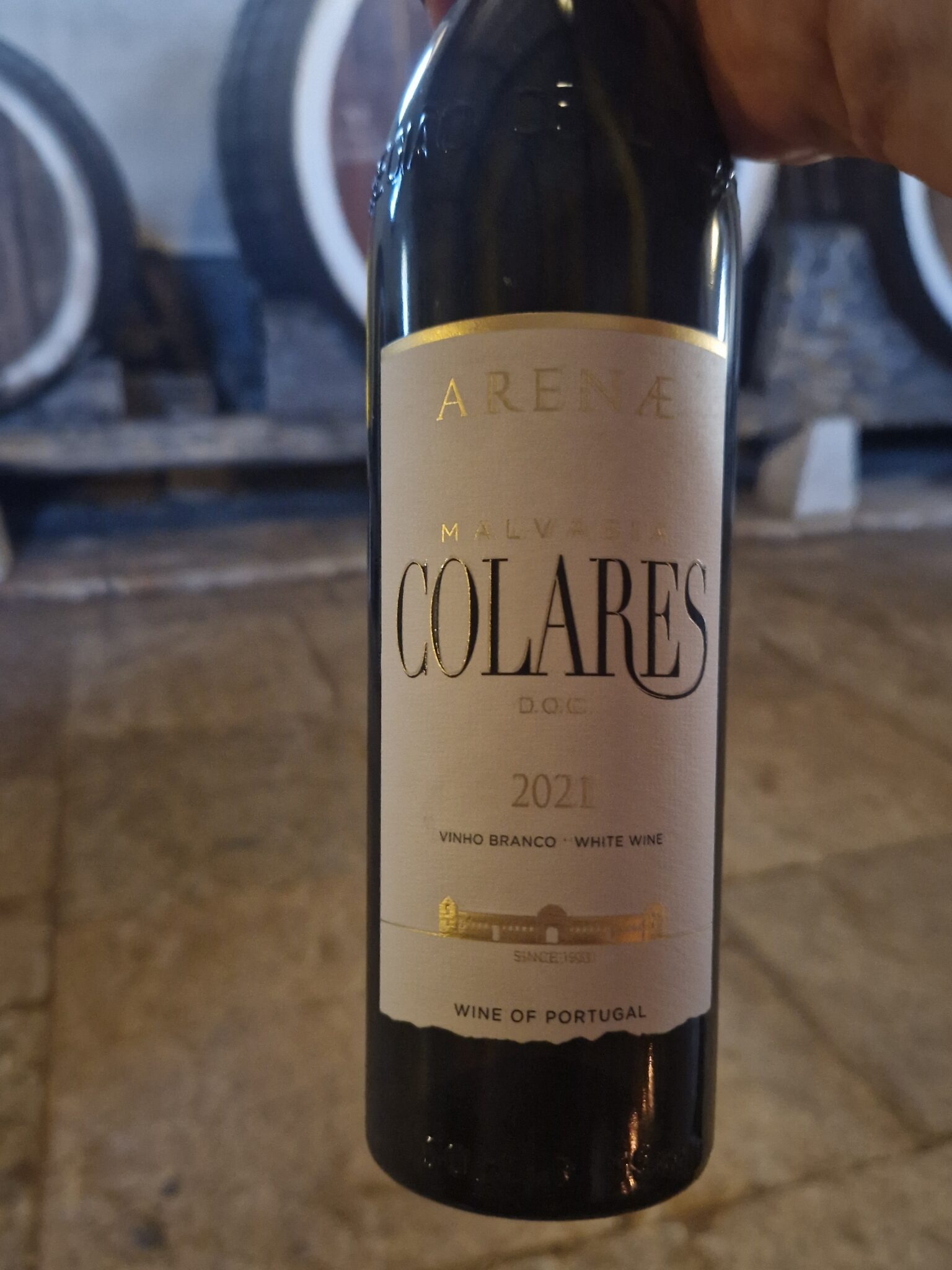
The oldest Co-Operative winery in Portugal is Colares in the Sintra region. One of the oldest demarcated regions in the country (1908) this is the westernmost wine producing area on the European continent. It is also the smallest still wine producing region in Portugal.
The vines here grow in a harsh climate very close to the coast and have to deal with very sandy or clay soil. The grapes grow on old ungrafted vines. These vines never contracted the deadly phylloxera fungus which attacked so many vines over past decades, because of the depth of the root stock.
These grapes have natural acidity and less sugar than grapes grown in sunnier climes. Their flavours echo the terroir and the misty damp climate. They have a have a special saltiness and minerality. Some of the vines are grown mixed in with apple orchards which also influence the taste of wines produced here.
The ancient grape varieties of Ramisco, Malvasia de Colares and Joao Sanorem or Castelao are being revived with more people becoming wine makers in this area. The Co-Operative winery is housed in a stunning old building dating back to 1931where tours and tastings can be booked.
Haja Cortezia Wines

Another unique winery in the Colares region is Haja Cortezia Wines. Described as tradition and soul by the sea, the winery is effectively housed in a rather charming family home. Here you can try wine stomping with bare feet in a huge vat of grapes should you visit during harvest time. Some of us gave it a try and we squished all the grapes underfoot creating a sweet pink foam on top of the churning grape juice.
This was followed by an incredible lunch with local fish and meat and cheeses. Locals helping out with the harvest can enjoy just such a lunch. The entire house can be rented out to visitors as wine tourism takes off in the Lisboa region. The Atlantic coast also makes this a popular destination for surfers. The wines include Vinhas Velhas and Alvarinho. These wines reprsent the identity of the region, it’s in the wine maker’s DNA.
Quinta da Boa Esperanca

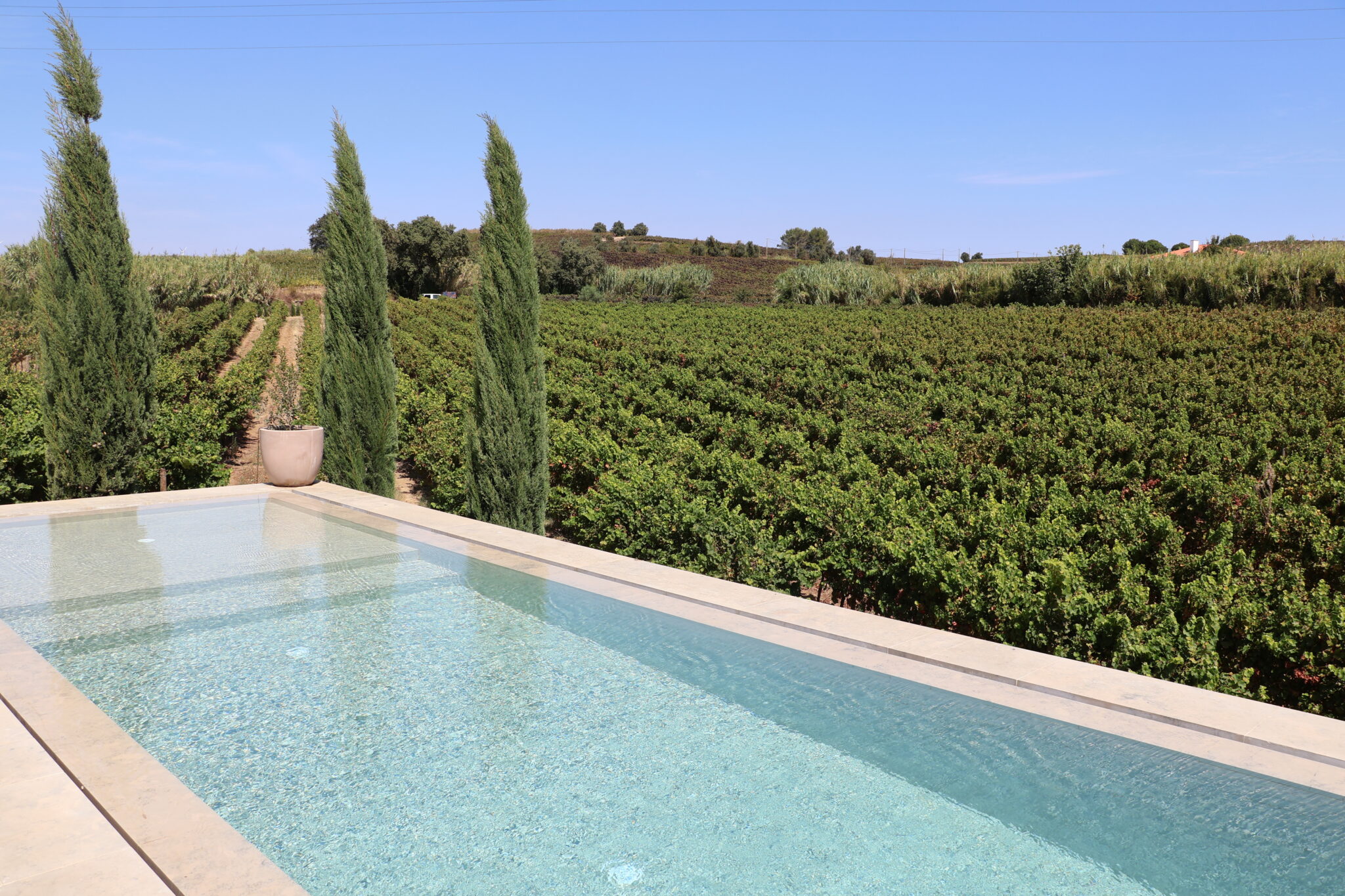
In a beautiful house with an infinity pool surrounded by grapevines worthy of any edition of Conde Nast Traveller, you may sample the vintages of Quinta da Boa Esperanca
The Quinta da Boa Esperança project was born from the desire to create a space that reflects a way of thinking and living. This stunning house is available for rent and often hosts stylish social events. Wine tourism is becoming more and more important for these incredible estates. Beautiful surroundings elevate wine tastings, dinners and other celebrations.
Wines of Lisbon – Adega Mae
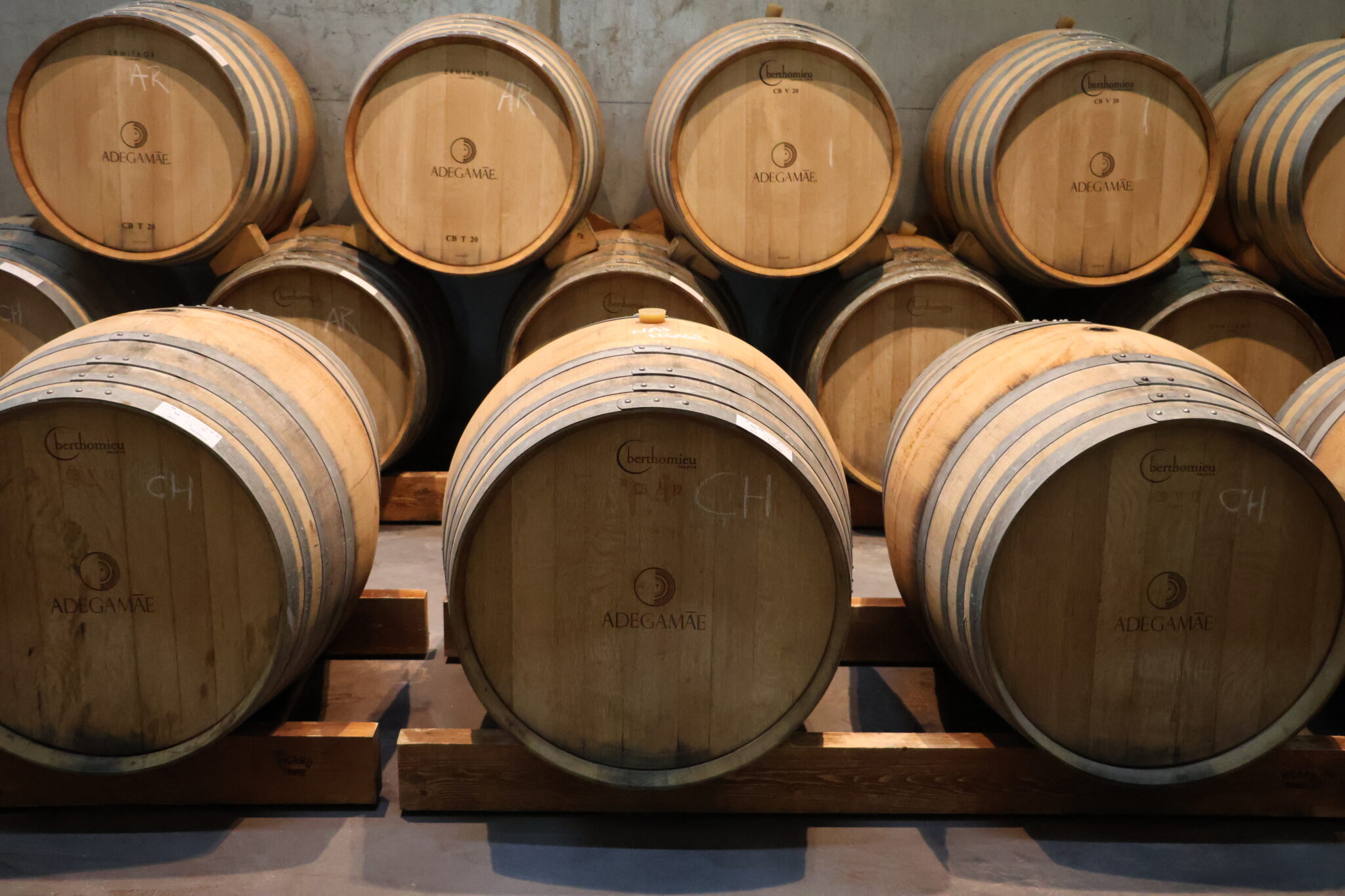
40 km North of Lisbon on the top of the mountain you will find the grand modernist building housing the Adega Mae winery. This family owned winery specialises in a modern approach to winemaking while preserving traditional values. The white wines are planted on the slopes up to the mountain chain that extends through the Montejunto-Estrela mountain system. This is an especially cool region, with moderate temperatures, mild summers and constant ocean breezes.
The red vines, are planted in vineyards sheltered by the mountain chain, where the climate provides wider temperature variations, warmer summers and early maturation.
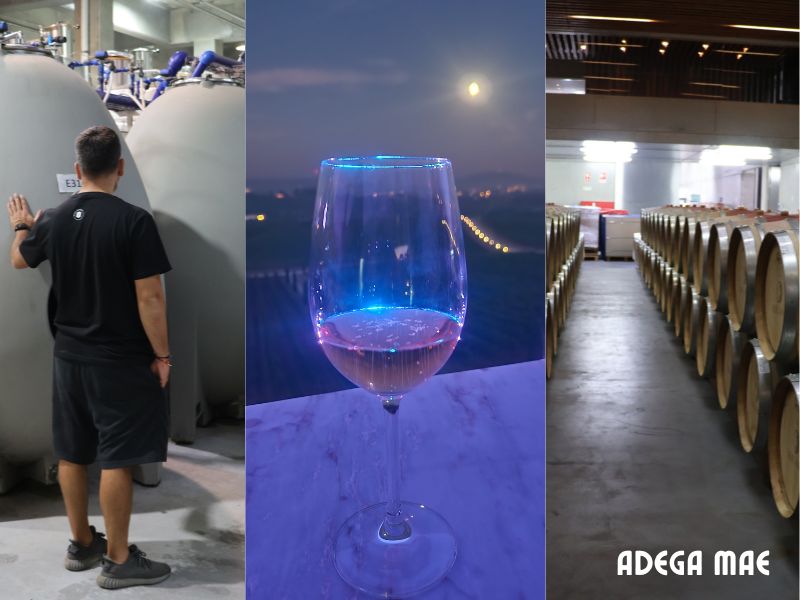
Here you will also find wine eggs, or concrete eggs, which offer a unique vessel for fermenting and ageing wine. These space ship like vessels, promote natural convection during fermentation. They can help to extract flavours and colours from the grape skins while preventing the formation of solids. With a stunning view out over the vast vineyards, the building also hosts a first class restaurant and is popular for weddings and other events.
Quinta do Gradil
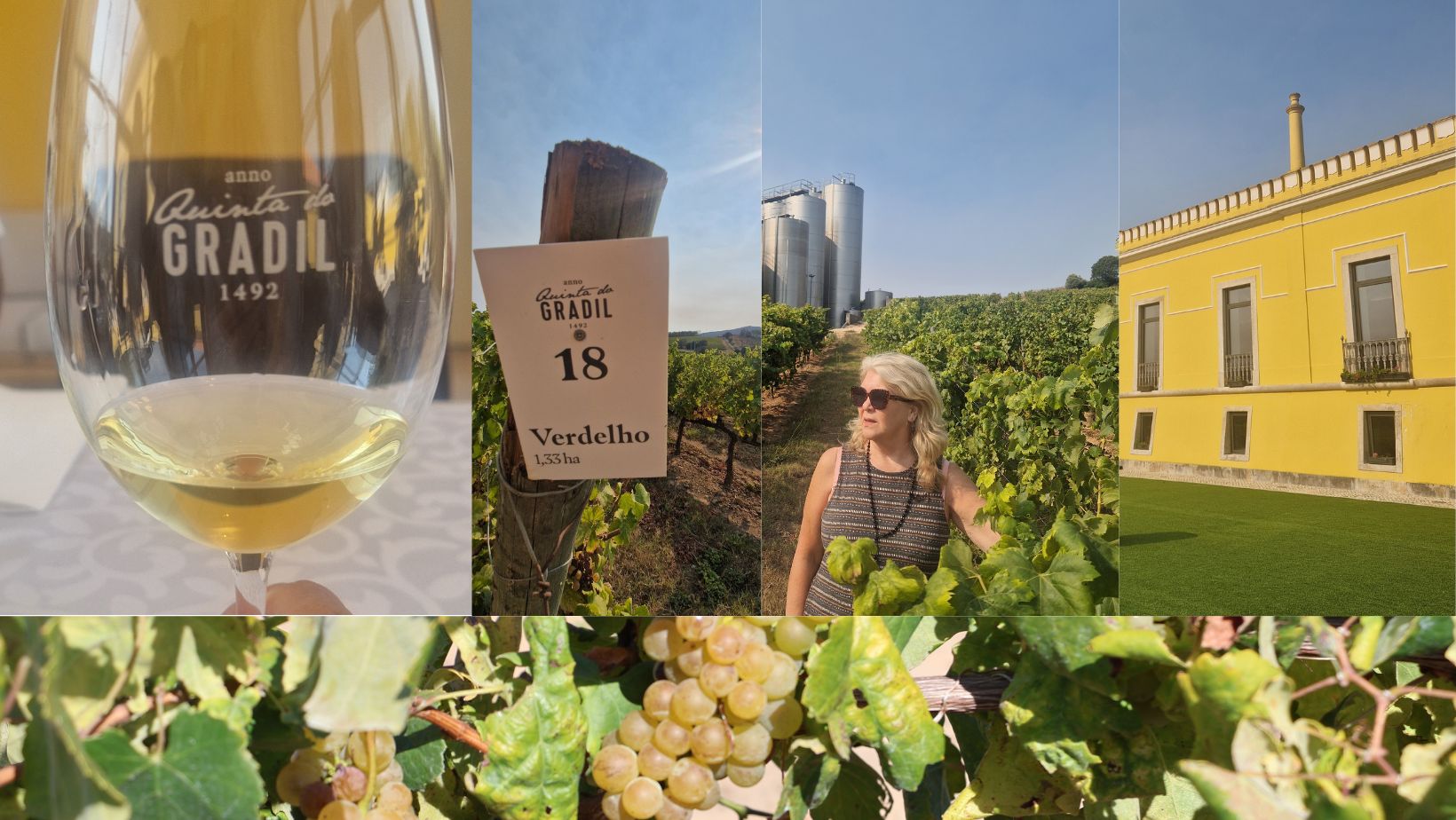
One of the oldest wine estates in the Lisboa region, the Quinto Do Gradil winery was established in 1492. The winery is housed in a beautiful historic building, painted the colour of pure sunshine in extensive grounds,
In the 17th century, Quinta do Gradil was a farmhouse. Wine was natural, closely related to the primitive winemaking process: fermented grape must. There was no technology or added sulphites.
Today things have scaled up rather, and wine tourism is most definitely on the menu. There are visits to the estate to see the viticulture process, starting in the vineyards, going through the cellar and ending up at the tasting room and wine shop. Other activities on the estate include horse riding, joining in with the harvest, birdwatching, and cycling.
This estate grows twenty two grape varieties. 95% are harvested by machine and the other 5% are still being picked by hand. There are 120 vineyards stretching over 220 hectares and it is one of the biggest in the region. The Quinta do Gradil estate produces no less than a million bottles a year, approximately half white and half red wines. Some wines are from single varieties but others are blended. The fresh fruity citrus notes infused by the mineral rich soil make headlines once again in their vintages.
Cas’ Amaro
A less traditional winery is Cas’Amaro . Set in beautiful gardens the venue is housed in another designer property. Converted from the original old winery.building, it is now a boutique hotel and restaurant. Floor to ceiling picture windows give an infinity living picture view from three sides of the building out across the vineyards.
They have been making 100% organic wine at Cas’ Amaro since 2022 from eight different varieties of grape. Their wine has lots of personality, with quirky interesting labels. This stunning property is also available to rent complete with a talented in house chef. If you’ve never tried goose barnacles then it might be time for you to take the plunge, washed down with a nice Falatório or Madame Pió vintage. The philosophy of wine tourism runs through all of the projects here along with food, wine, design and architecture.

Wines of Lisbon – Casa Santos Lima
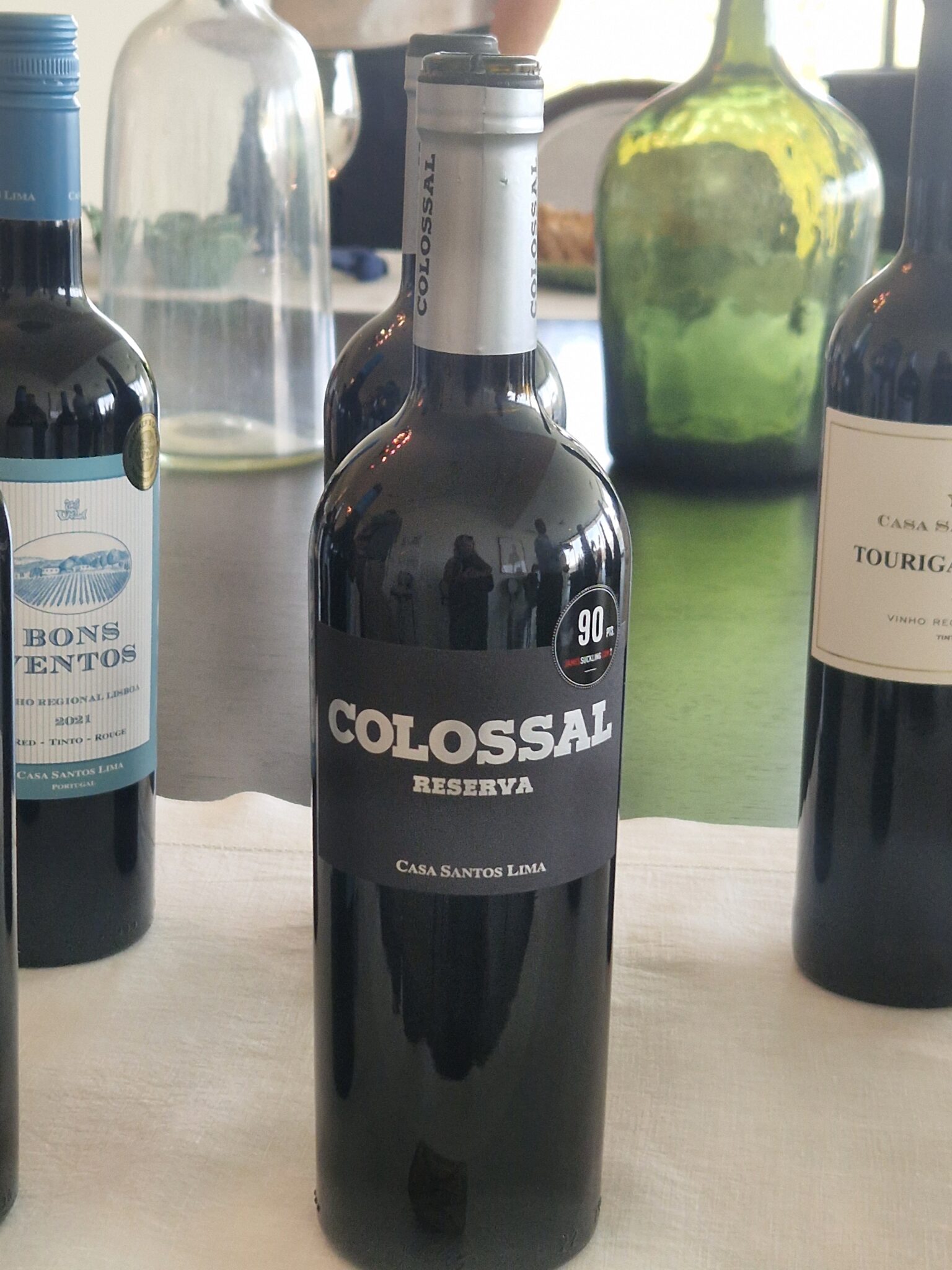
This winery is so big you have to take a golf cart to drive around it! Casa Santos Lima is the largest producer of “Vinho Regional Lisboa” and “DOC Alenquer.” In past years Casa Santos Lima has been one of the most awarded Portuguese wineries in major national and international wine competitions.
Casa Santos Lima has a very wide wine portfolio, producing every year and from 5 different regions red wines, whites, roses, sparklings, “frisantes”, “leves” and even dessert wines. This big assortment made up from various different brands, allows the company to flourish in national and international markets and is one of the reasons for a continuous and sustained growth year after year. At the moment, Casa Santos Lima is responsible for the production of more than 50% of all the certified wine in the Lisbon Region and it is a major exporter of Portuguese wine.
Each year they produce 30 million bottles from 50 varieties of grapes. Blending grapes allows for more consistency of style and quality.
This producer is also at the forefront of the emerging low alcohol market, producing a red with 8% alcohol as well as a 9% white and rose wine. Casa Santos Lima sells to the big supermarkets in the UK such as Waitrose.
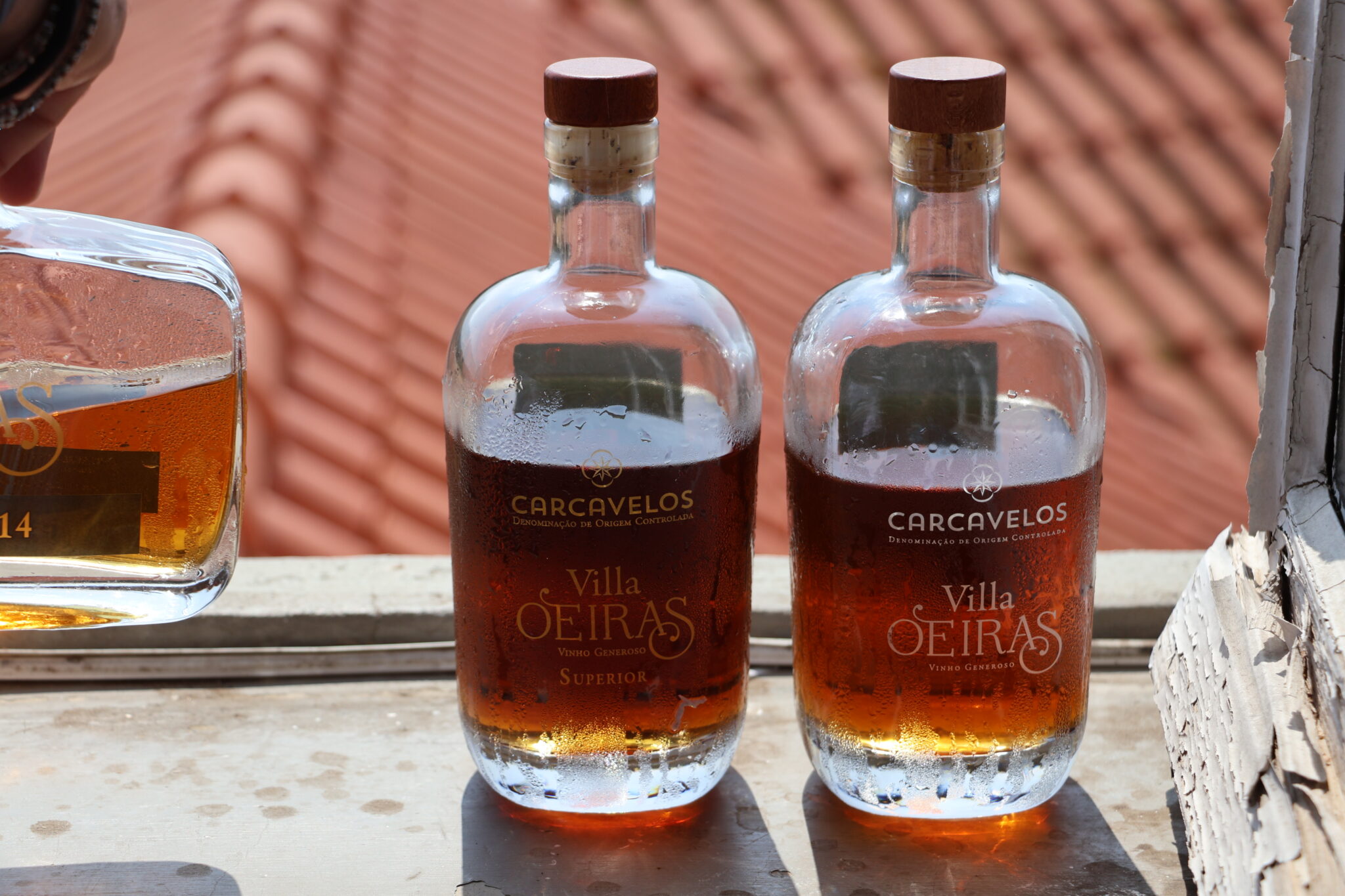
Villa Oeiras Carcavelos
The Carcavelos area produces a fortified wine with a centuries-old tradition, as evidenced in the first written records about wine in this region, dating back to before 1400.
The Villa Oeiras project is supported by the local authority here. Its purpose is the preservation of the production of Generoso de Carcavelos wine.Since the 18th century, the term fortified wine has been used to describe this type of sweet, high alcohol beverage. Part of the project involved the renovation of the Casal da Manteiga building as a wine cellar. The fine full-bodied wine made here with its honeyed tones, makes it one of the most magnificent Portuguese fortified wines.
Wines of Lisbon
The Lisboa region is a beautiful part of Portugal with dramatic green landscapes and a wild atlantic coast. There are some great places to stay too, such as the Sois Montejunto Eco lodge where you can wake up in a glamping pod facing out over vineyards. First class cuisine everywhere, created by imaginative chefs was also a pleasant surprise.
The UK is the Lisboa region’s most important market, but it still has a lower profile than regions such as the Douro or Algarve regions. The wines of Lisboa organisation is working hard to change this, so you’d better get there now before everyone else discovers it! Find out more about the wines of the Lisboa region.

More Portguese stories Perfectly portugal