


Elephants
Tackling human/elephant conflict with The TUI Care Foundation in Sri Lanka
Sri Lanka is a beautiful South Asian country and is home to one of the largest wild elephant populations on the planet. It has natural beauty and a rich cultural heritage from Sinhalese, Tamils, the Dutch and the British.It is also a country which has a troubled past and something of an uncertain future. It has faced civil war, terrorist bombings, the terrible Tsunami of 2004 and of course Covid 19. All these factors have damaged tourism which accounted for 12% of Sri Lanka’s GDP in 2019.
The wild elephant population is a big draw for visitors. I witnessed this on my trip to see a pioneering wildlife project hosted by the TUI Care Foundation. The project tackles the issue of human /elephant conflict when these large animals infringe on the farmland of villagers looking for food.
About the TUI Care Foundation
The TUI Care Foundation funds come from the generosity of travellers across the globe. When you book your holiday you can contribute a nominal sum or perhaps donate your left over holiday currency when you are coming home. The UK market is one of the biggest contributors to these very special projects, initiated and run by the TUI Care Foundation.

The organisation focuses on using tourism as a global force for good. It is an independent registered charitable foundation. It achieves a positive international impact by supporting innovative initiatives with local communities in places with fragile habitats and endangered species.
During Covid it supported many small tourism businesses with direct grants in places like Kenya. Through this support they were able to stay afloat during the months when travel was prohibited.
Arriving in Sri Lanka
We arrive in Sri Lanka and stay a day in Negombo. Next we head south to Habarana to the national parks. We stay at the charming Cinnamon Lodge resort hotel close to the site of the project we came to see. This is elephant country, and the next day we set of to Kaudulla National Park to see these majestic creatures for ourselves.
Groups of people drive through the park in open jeeps on established tracks. They have all come to see the gatherings of herds of wild elephants in their natural habitat. There were dozens of jeeps driving around and stopping to take pictures and the elephants did seem to largely ignore them. This is the largest gathering of Asian elephants in the world and it is undoubtedly a significant tourist attraction.

Elephant gathering
Every year during the dry season hundreds of elephants congregate near Minneriya Tank in search of water and vegetation. As the water recedes vast grasslands emerge attracting the herds. It was spell binding to see so many of them together and so close.
The matriarchs are at the centre of each group. Protectively they surround their babies who are chasing each other and playing. Older youngsters are sparring with each other and the adult males, some with huge tusks, are roaming on the edge of the family groups. I’ve seen this kind of animal behaviour on television before but it was a privilege to see it for myself. Elephants are generally peaceful creatures and get along with each other well.

Conflict comes when humans and elephants share the land together. Attempts to relocate troublesome males to other parts of the island have failed as they tend to try to return to their homeland – with varying degrees of success. One elephant, whose sense of direction was clearly faulty, was found swimming out to sea in its attempt to return to where it had been moved from.
Project Partner
This project (and most of them in fact) has a local partner involved with delivery ‘on the ground.’ In Sri Lanka it is the CCR or the Centre for Conservation and Research for this special wildlife one. The aim of this body is to address environmental conservation in Sri Lanka. It conducts supports and encourages research into all aspects of the environment.
We were privileged to meet with Dr Prithiviraj Fernando and DR Jennifer Pastorini from the CCR. They are real wildlife experts. Dr Prithivirja tells us all about how they found this particular village to implement this project to build sustainable elephant proof fences.
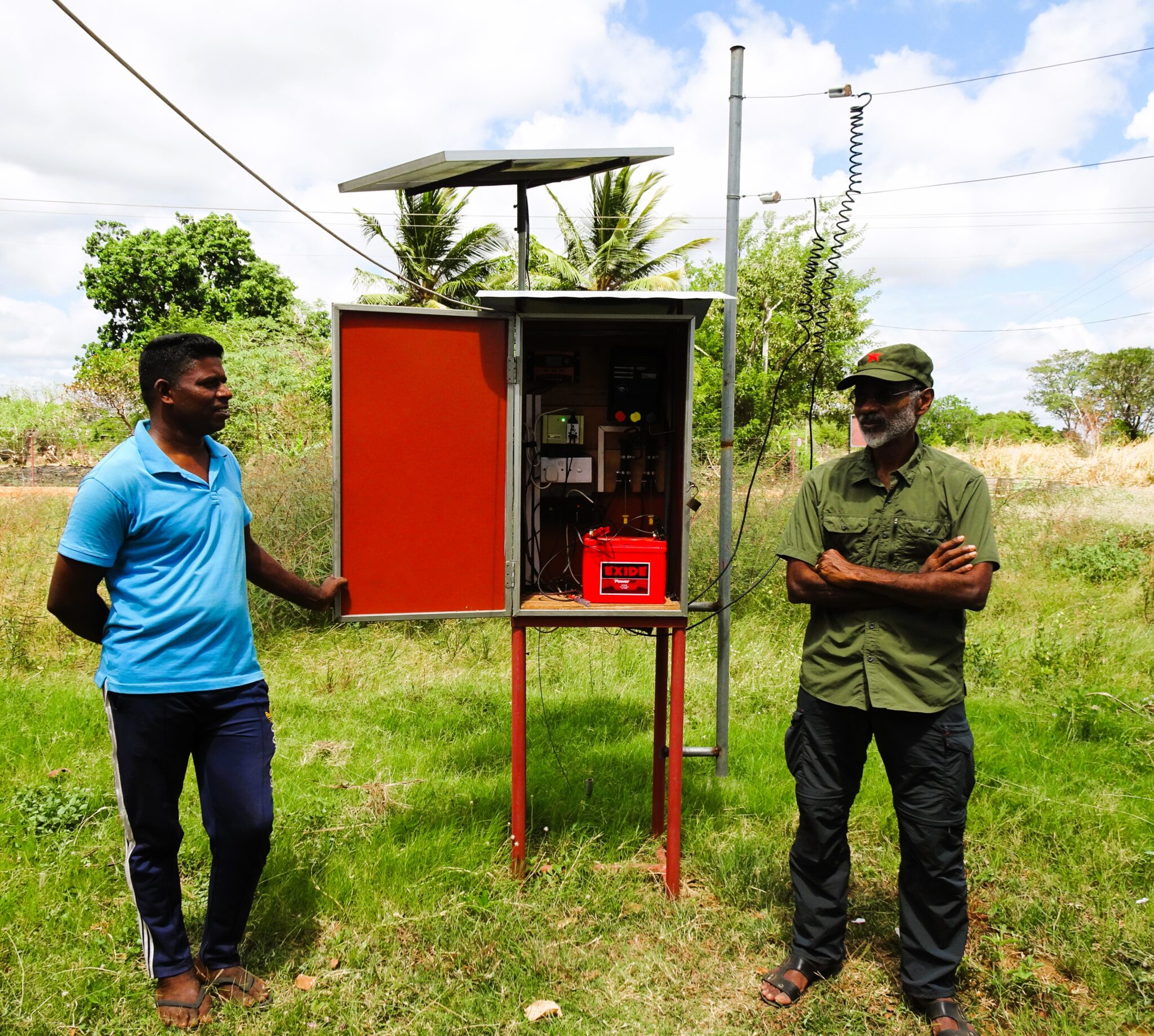
The Centre for Conservation and Research has worked on community-based fencing since 2008 and has implemented around 50 fences, some of which have been successfully functioning for over a decade. Electric fencing deters elephants from the village and its crops. However it is expensive to build and round the clock maintenance is a must. In this case the whole village are on board with erecting and looking after the fence. Seasonal fencing can also be built around planted paddy fields. It stays there only until the rice is harvested.
A visit to Bendiwewa
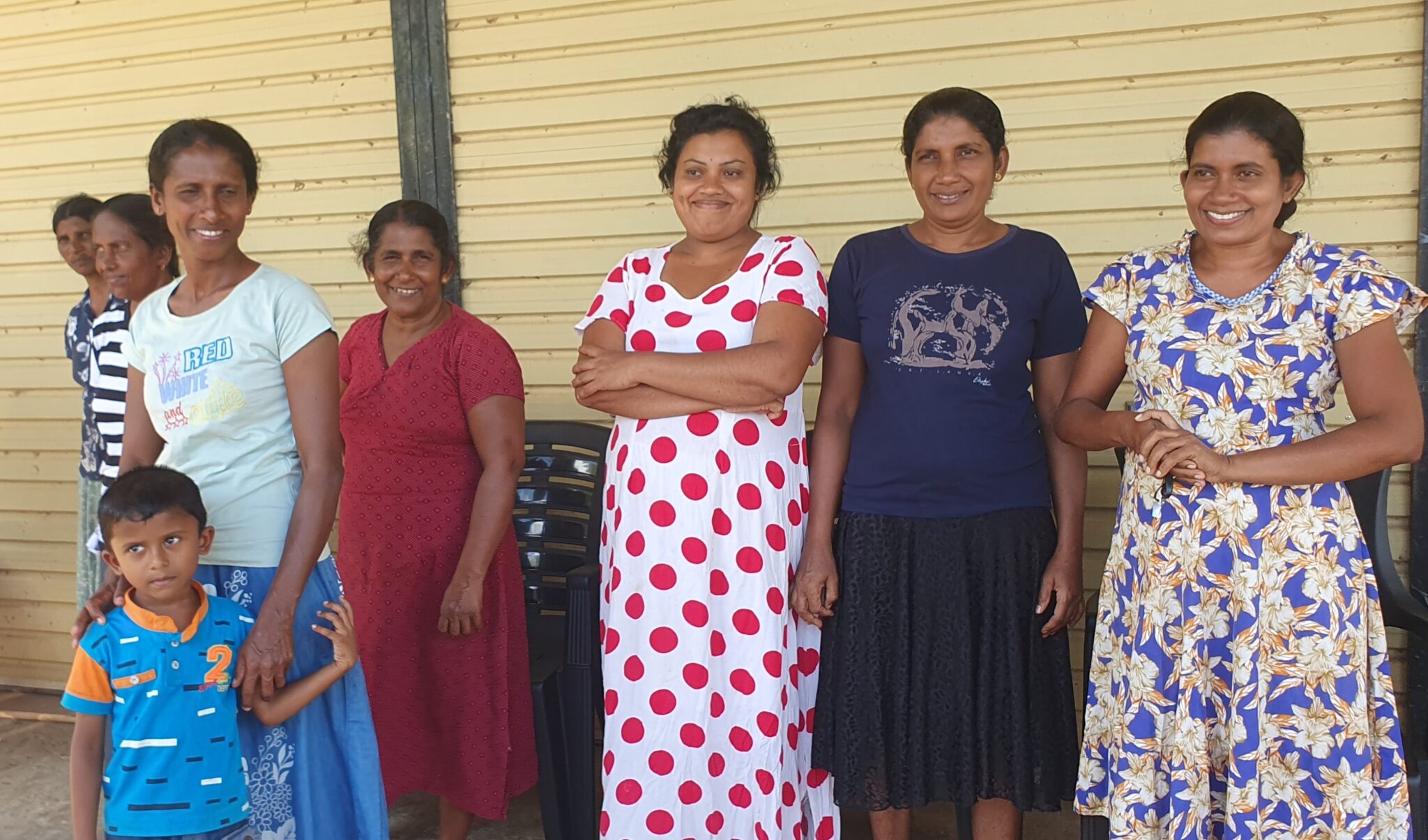
The next day we travel to the remote village of Bendiwewa which was the chosen settlement for the new project. The whole village comes out to greet us and we do feel rather like celebrities rather than travel journalists! We see the fence in situ which is currently being powered by a car battery, although the aim is to use solar power if possible.
One villager receives a small stipend to keep a daily check on the fence. Maintenance is essential. If anything falls on the fence it must be removed immediately and any breaches repaired The fence uses DC current which is less dangerous than AC. It will definitely shock the elephants but not harm them. It had been in situ for about a year and the village has had no elephant incursions during that time. A definite success story.
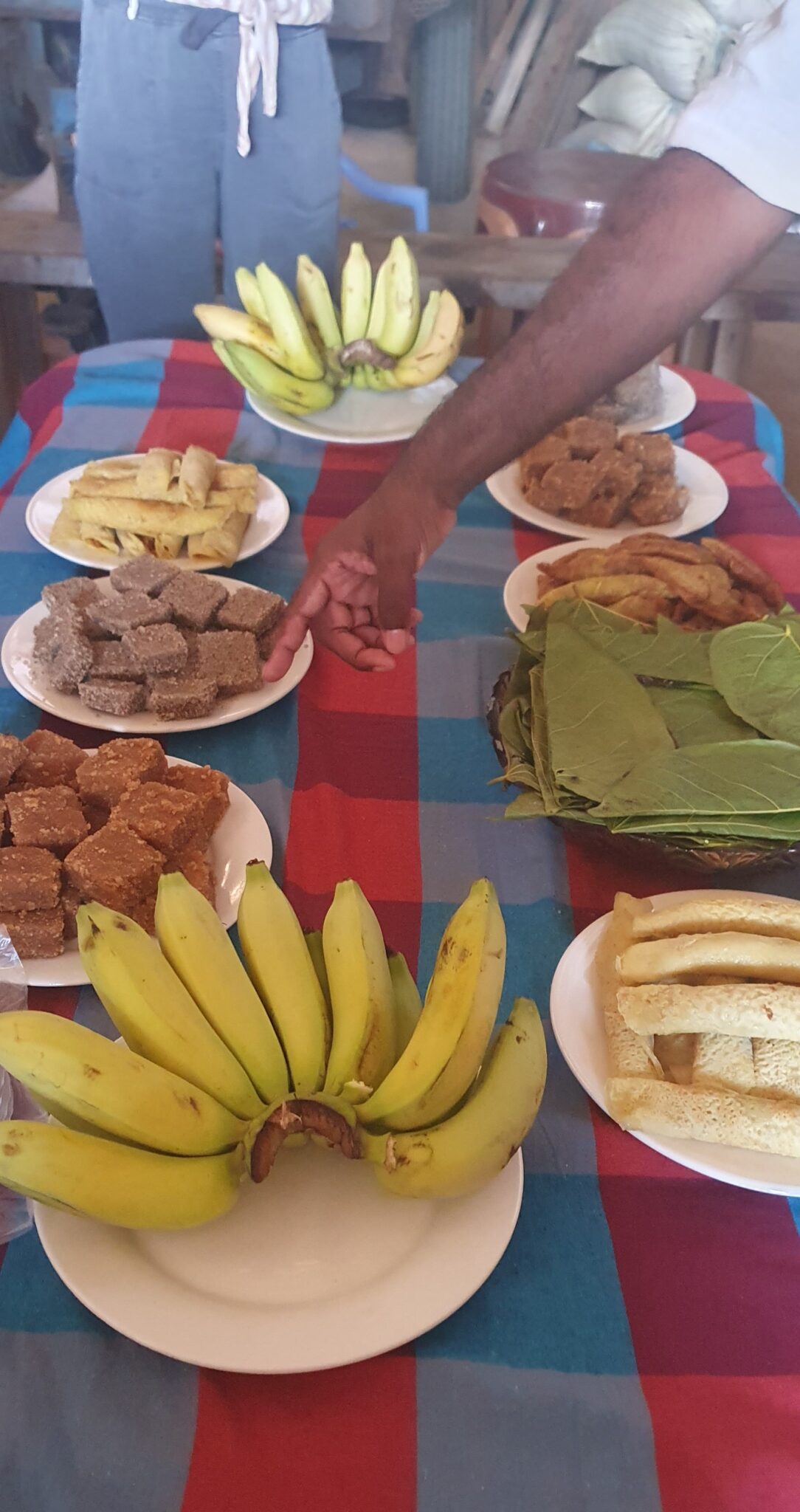
After our visit to the fence we are honoured with a special feast of local Sri Lankan sweets. We drink some delicious ‘slime apple’ tea, which most definitely tastes better than it sounds! It’s very hot with about 90% humidity here and the refreshments are welcome.
Next we visit a small workshop where a young man and his wife are silversmithing, making delicate elephant pendants for sale. This kind of tourism experience can be developed to help support local people with the costs for this type of project.
These constructive elephant friendly practices aim to ease the sometimes fraught relationship between humans and these large powerful animals. If the elephants can bring prosperity to Sri Lanka, then more initiatives like this will be supported as positive by communities living here.
Elephants need a solution
The TUI Care Foundation leads the way in protecting natural habitats in tourism destinations across the world. Local solutions developed and delivered to benefit local people and their precious homelands.
I loved seeing the elephants and meeting the villagers. This kind of initiative brings hope for the future of Sri Lanka, its elephants and its people.
