


Cape Verde’s Loggerhead Turtles
For millions of years, the loggerhead turtle (Caretta caretta) has returned to sandy beaches to nest under the cover of night. These ancient reptiles, which first appeared more than 200 million years ago, have survived mass extinctions, continental shifts, and even the asteroid that wiped out the dinosaurs. But today, their survival is threatened—not by natural forces, but by human activity.
On the Cape Verde islands of Sal and Boa Vista, loggerhead turtles still come ashore in remarkable numbers each summer. These pristine islands, with white sandy beaches, protective dunes, and warm waters, offer the perfect nesting ground. Unfortunately, the same beauty that attracts turtles also draws thousands of tourists and resort developers. In this fragile ecosystem, the TUI Care Foundation has stepped in to protect Cape Verde’s loggerhead turtles and safeguard their future. I had the privilege of joining the foundation on a trip to Cape Verde to see the turtles and witness the amazing efforts of the marine biologists and volunteers there, to protect these incredible animals.
Ancient Mariners Facing Modern Struggles
The loggerhead turtle is a true ocean wanderer, capable of crossing entire oceans guided only by instinct and magnetic fields. After decades at sea, females return to the very beach where they hatched to dig nests and lay 80–120 eggs. After about 50 days, hatchlings emerge and make their perilous dash to the sea.

But this natural cycle is now in danger:
-
Light pollution from beachfront resorts confuses hatchlings, pulling them inland instead of toward the ocean.
-
Human interference and poaching put both eggs and nesting females at risk.
-
Predators, including street dogs, often dig up nests.
-
Climate change raises sand temperatures, skewing hatchling sex ratios and reducing genetic diversity.
-
Coastal development erodes natural nesting sites.
For a species that has survived since the age of the dinosaurs, the pressing question remains: can they survive us?
TUI Care Foundation: Turtle Aid in Cape Verde
To address these threats, the TUI Care Foundation launched its Turtle Aid programme in partnership with local NGOs. Their conservation efforts combine science, community involvement, and eco-tourism to help protect loggerhead turtles on Cape Verde’s beaches.
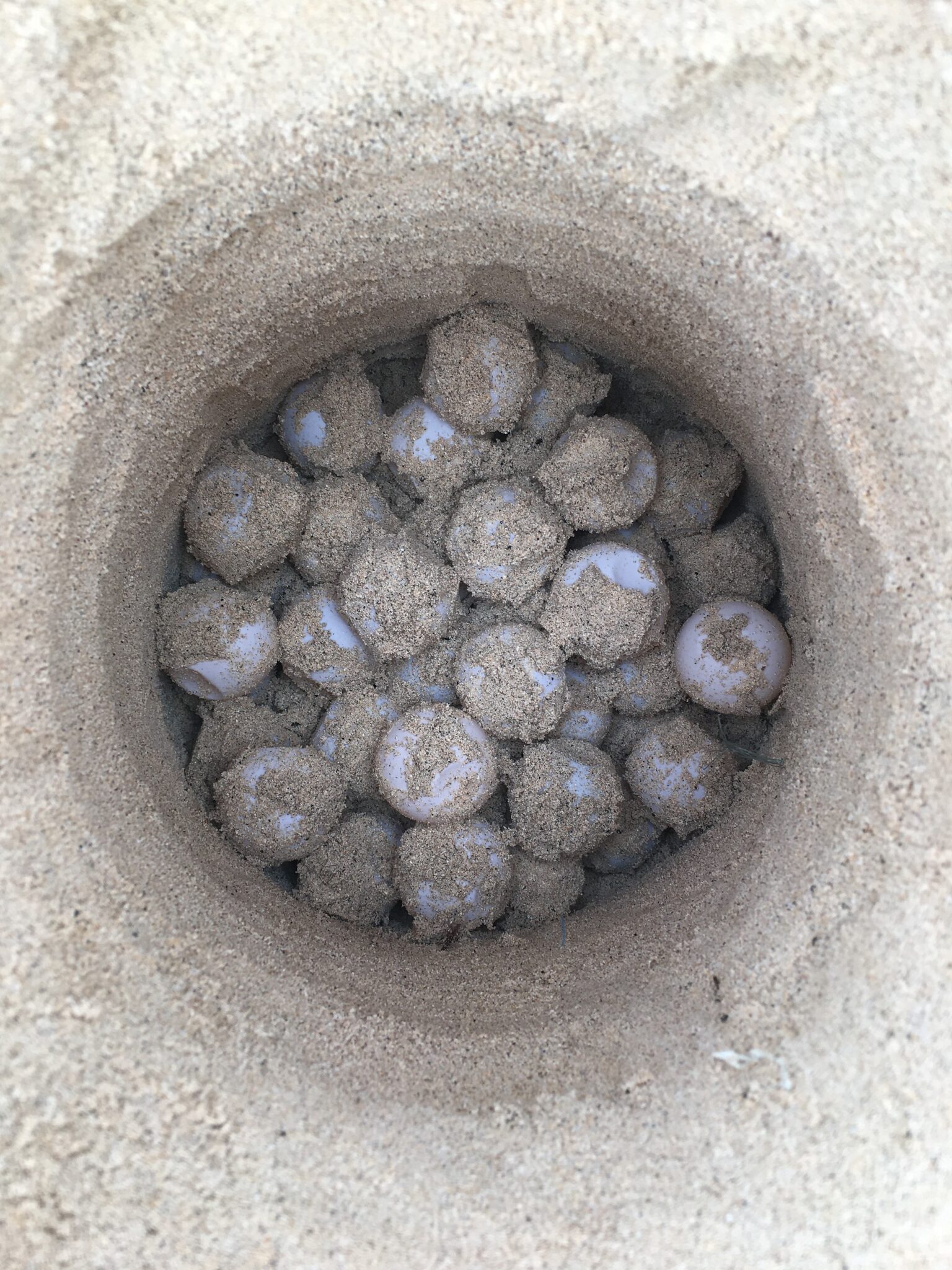
Relocating Nests to Safety
When turtles lay eggs in vulnerable areas—too close to the tide line or near busy hotels—trained conservationists carefully move the eggs to protected hatcheries. Each egg is catalogued and monitored until hatching.
After about 50 days, when the hatchlings begin to emerge at the hatchery, they are carried to quiet stretches of beach such as Kite Beach on Sal. There the hatchlings are released, each one embarking on the perilous race to the sea. This is an amazing thing to witness. The tiny turtles scuttle as fast as their flippers can manage, almost like wind up clockwork toys, towards the ocean. Speed is of the essence. These first few hours are when the turtles are most vulnerable to a range of predators on both land and in the sea. Only about 1 in 1000 makes it to adulthood. This really is a numbers game.
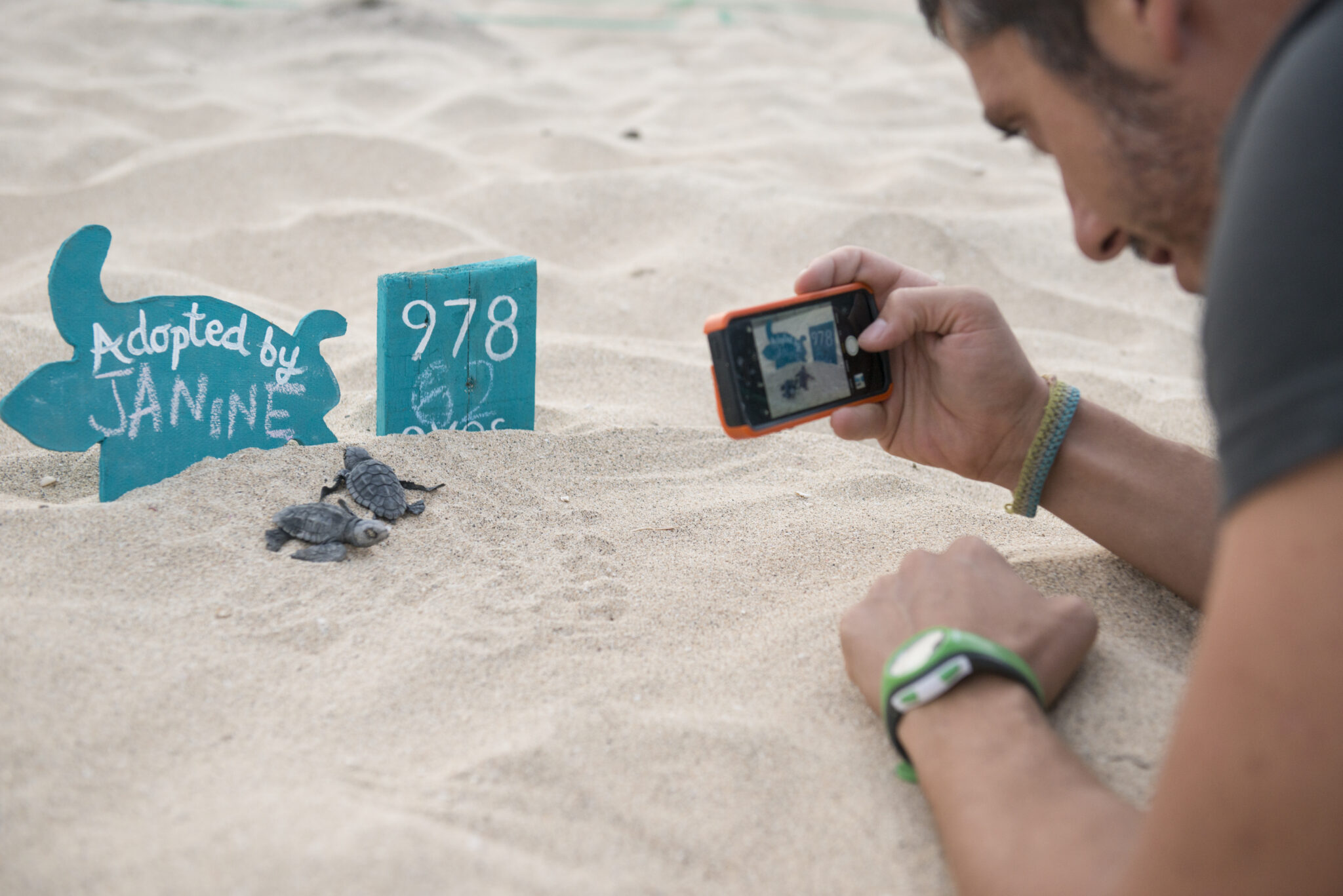
Visitors can adopt a turtle or an entire nest, supporting conservation while receiving updates and photos of their sponsored hatchlings. After hatching, baby turtles are released on safe stretches of beach, such as Kite Beach on Sal, where they begin their dangerous journey to the sea.
Volunteers on the Frontline
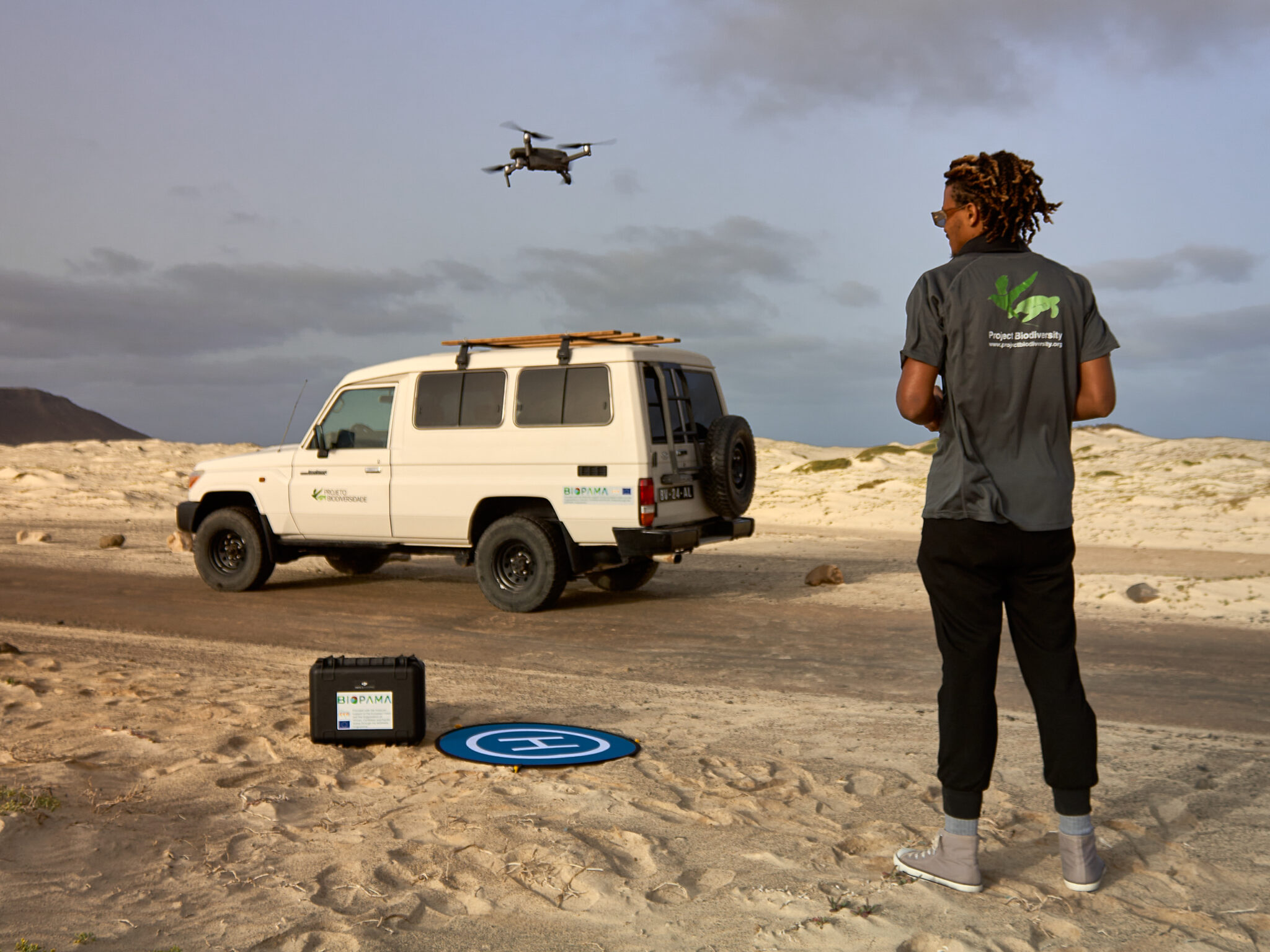
Every nesting season, volunteers patrol Cape Verde’s beaches at night to monitor turtle activity, deter poachers, and collect scientific data. Innovative tools like infrared drones help detect nesting turtles and protect their eggs more effectively.
Tourism and Conservation: A Delicate Balance
The same features that attract turtles—quiet beaches and warm sands—also attract tourists. Cape Verde’s growing hotel industry often builds directly on nesting grounds, bringing bright lights, noise, and crowds. While this creates challenges, it also presents an opportunity: eco-tourism.
Through the hatchery sponsorship programme, travellers can support conservation efforts while enjoying Cape Verde’s natural beauty. This sustainable model ensures that tourism contributes to protection rather than destruction.
Hope for the Future
Despite the threats, conservation work is showing positive results. Thousands of hatchlings are safely released each year, and awareness campaigns are inspiring travellers to become part of the solution. The TUI Care Foundation’s initiatives demonstrate how tourism and conservation can coexist.
The Most Dangerous Predator: Humans
The loggerhead’s greatest challenge today is not sharks or natural predators—it is human impact. Overdevelopment, pollution, and poaching endanger a species that has been on Earth since before flowering plants evolved.
Yet, humans are also the turtles’ greatest hope. Through education, sustainable travel, and conservation action, we can ensure that loggerheads continue their ancient ritual for generations to come.

Conclusion: A Shared Future on Cape Verde’s Beaches
The story of the loggerhead turtle in Cape Verde is one of resilience. Having survived the reign of dinosaurs and countless natural changes, their survival now depends on us. Thanks to the TUI Care Foundation and its dedicated volunteers, there is hope. By protecting nests, guiding hatchlings, and raising awareness, they are ensuring Cape Verde’s beaches remain a safe haven for one of the world’s most ancient mariners.
